

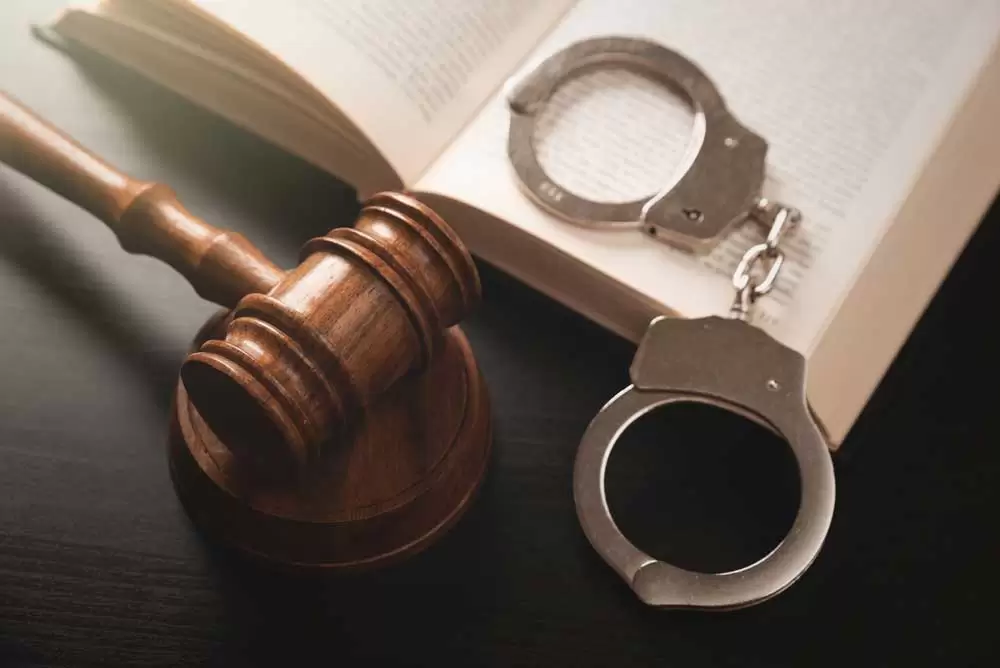
Facing criminal charges can be one of the most stressful and life-altering experiences an individual can encounter. Criminal accusations carry serious consequences, including fines, incarceration, damage to reputation, and long-term impacts on employment and personal relationships. Criminal defense law exists to ensure that individuals accused of crimes receive fair treatment, due process, and strong legal representation. Defense attorneys play a critical role in protecting constitutional rights, challenging evidence, and advocating for just outcomes within a complex and high-stakes legal system.
The Foundation of Criminal Defense Law
Criminal defense law is rooted in constitutional protections such as the presumption of innocence, the right to legal counsel, and protection against unlawful searches and seizures. These principles ensure that individuals are not punished without proper legal process and that the government meets its burden of proof.
Defense attorneys analyze charges, review arrest procedures, and examine whether law enforcement followed legal standards. Technology supports this work by enabling efficient review of statutes, case law, and procedural rules, ensuring that every aspect of the defense aligns with current legal standards.
Types of Criminal Charges and Legal Complexity
Criminal cases range from minor misdemeanors to serious felony offenses. Charges may involve theft, assault, drug offenses, fraud, or white-collar crimes. Each category carries distinct legal definitions, penalties, and procedural requirements.
Attorneys tailor defense strategies to the nature of the charges and the evidence involved. Digital tools help organize police reports, witness statements, forensic data, and surveillance footage, allowing attorneys to assess strengths and weaknesses in the prosecution’s case.
The Importance of Early Legal Representation
Early involvement of a criminal defense attorney can significantly influence the outcome of a case. Attorneys advise clients during police questioning, bail hearings, and initial court appearances, ensuring that rights are protected from the outset.
Technology enables rapid communication between attorneys and clients, even during urgent situations. Secure messaging platforms and digital document access allow defense teams to act quickly, preserving evidence and identifying procedural errors that may benefit the defense.
Evidence Review and Case Investigation
Effective criminal defense relies on thorough investigation and evidence analysis. Attorneys examine how evidence was collected, whether it was handled properly, and if it can be challenged in court. Procedural violations or unreliable evidence may lead to suppression or dismissal.
Digital forensic tools assist attorneys in reviewing electronic evidence such as phone records, emails, and digital surveillance. These technologies enhance accuracy and allow defense teams to uncover inconsistencies or constitutional violations.
Negotiation, Plea Bargains, and Case Resolution
Not all criminal cases proceed to trial. In some situations, negotiating a plea agreement may result in reduced charges or lighter penalties. Defense attorneys evaluate the risks and benefits of negotiation based on evidence strength, legal precedent, and client objectives.
Technology aids negotiation by organizing case data, tracking plea discussions, and analyzing sentencing trends. Attorneys use this information to advise clients and pursue resolutions that minimize long-term consequences.
Trial Advocacy and Courtroom Defense
When cases go to trial, criminal defense attorneys serve as advocates in the courtroom. They cross-examine witnesses, challenge prosecution evidence, and present legal arguments to judges and juries. Effective trial advocacy requires preparation, clarity, and strategic presentation.
Digital courtroom tools allow attorneys to present exhibits, timelines, and multimedia evidence in a clear and compelling manner. These technologies help jurors understand complex facts and support persuasive defense narratives.
Sentencing and Post-Conviction Representation
If a conviction occurs, defense attorneys continue to represent clients during sentencing and post-conviction proceedings. Sentencing advocacy may involve presenting mitigating factors, rehabilitation efforts, or alternative sentencing options.
Attorneys also assist with appeals, probation matters, and expungement requests when eligible. Technology supports post-conviction work by tracking deadlines, organizing appellate records, and facilitating research into procedural errors or legal misapplications.
Protecting Client Rights and Ethical Defense
Criminal defense attorneys are ethically obligated to represent clients zealously while maintaining honesty and professionalism. Confidentiality, loyalty, and competence form the foundation of ethical legal practice.
Digital security tools ensure client communications and case files remain confidential. Ethical representation strengthens trust and reinforces the integrity of the legal system.
The Role of Technology in Criminal Defense
Technology has reshaped criminal defense practice by improving research, communication, and evidence management. Virtual hearings, electronic filings, and AI-assisted legal analysis enhance efficiency and access to justice.
Attorneys who integrate modern tools are better equipped to respond quickly, manage complex cases, and provide informed representation. Technology supports fairness by ensuring that defense strategies are grounded in accurate, timely information.
FAQs
What does a criminal defense attorney do?
A criminal defense attorney represents individuals accused of crimes, protects their rights, and advocates for fair outcomes throughout the legal process.
When should I contact a criminal defense lawyer?
You should contact an attorney as soon as you are accused, questioned, or arrested to protect your rights from the beginning.
Can criminal charges be dismissed?
Yes, charges may be dismissed if evidence is insufficient, rights were violated, or procedural errors occurred.
Is a plea deal always the best option?
Not always. An attorney evaluates whether negotiation or trial better serves the client’s interests based on case circumstances.
How does technology help criminal defense attorneys?
Technology improves evidence analysis, case organization, communication, and courtroom presentation, strengthening defense strategies.
Conclusion
Criminal defense law serves as a cornerstone of justice, ensuring that individuals accused of crimes receive fair treatment and legal protection. Attorneys play a vital role in safeguarding constitutional rights, challenging improper evidence, and advocating for balanced outcomes within a complex legal system.
As criminal law continues to evolve, defense attorneys who combine legal expertise with modern technology are best positioned to serve their clients effectively. With skilled representation, individuals facing criminal charges can navigate the legal process with confidence and a clear understanding of their rights and options.
